Q1
What is basic laboratory equipment?
ATest tubes, beakers, Bunsen burners
BOnly computers
COnly books
DOnly pencils
Practical chemistry involves safely using laboratory equipment and following proper techniques to conduct experiments and observe chemical p
Core concept
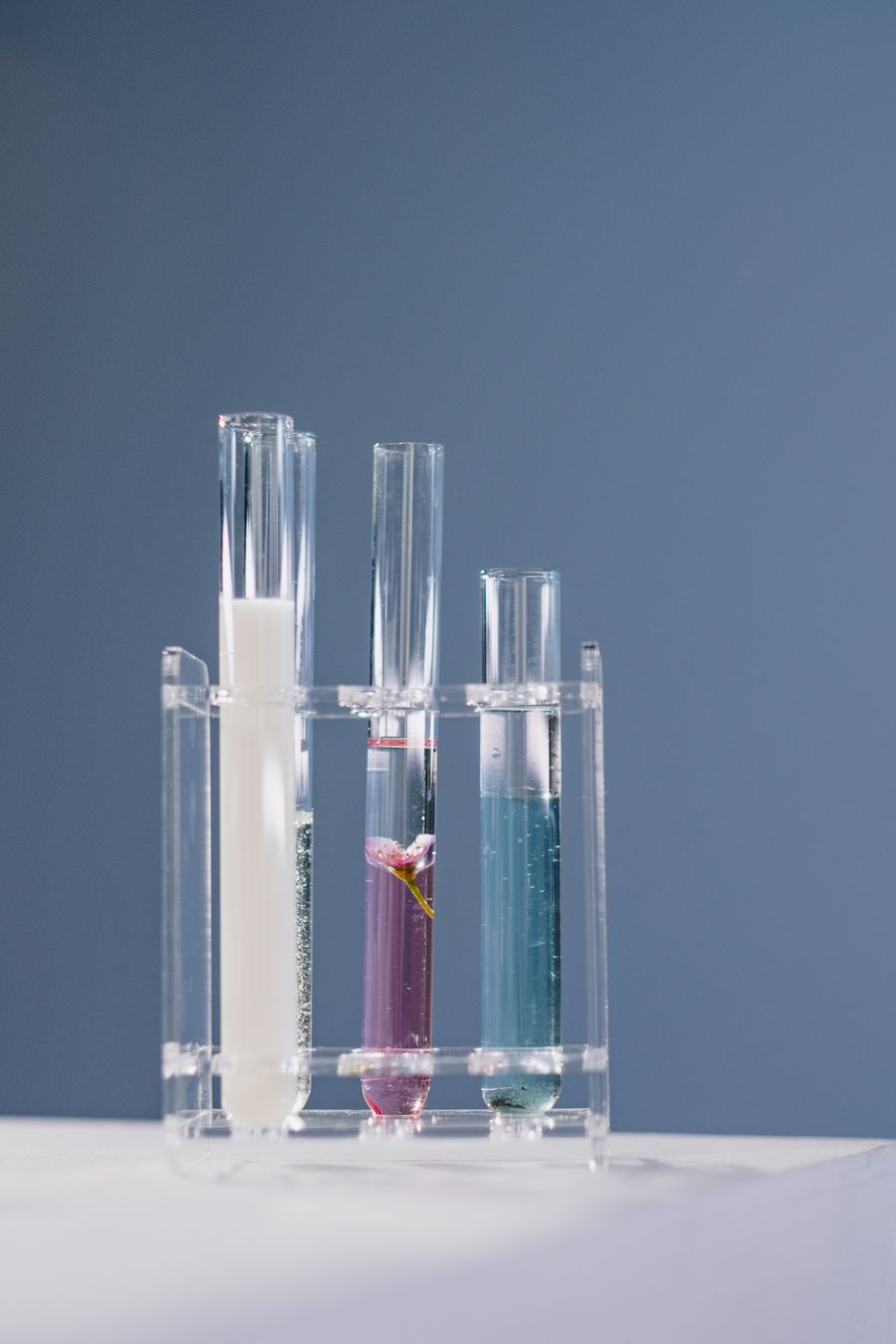
Basic laboratory equipment includes test tubes, beakers, Bunsen burners, and various glassware used for measuring, mixing, and heating substances.
How it works
Safety practices include wearing safety goggles, handling chemicals carefully, and knowing the location of safety equipment like fire extinguishers.
Why it matters
Common laboratory techniques include filtration (separating solids from liquids), titration (measuring reactant volumes), and heating substances safely.
Key detail
Developing good laboratory skills and safety awareness is essential for conducting accurate, safe, and successful chemistry experiments.
Exam highlight
Trending
Most searched
Study resources
• Basic equipment: test tubes, beakers, Bunsen burners.
• Safety includes wearing goggles and careful handling.
• Know locations of safety equipment.
• Filtration separates solids from liquids.
• Titration measures reactant volumes.
• Heating substances requires care.
• Good lab skills ensure accurate experiments.
• Safety awareness prevents accidents.
See practice section for board-relevant questions.
Name three pieces of laboratory equipment.
Write & explainDiscuss laboratory safety rules.
Write & explainExplain what filtration is used for.
Write & explainResearch titration and its purpose.
Write & explainDiscuss why safety goggles are important.
Write & explainCreate a laboratory safety checklist.
Write & explainBeyond the syllabus
Theme